
When gas prices rise, most households do sensible things; turn the heating down, delay putting the heating on and try to make do with jumpers and blankets.
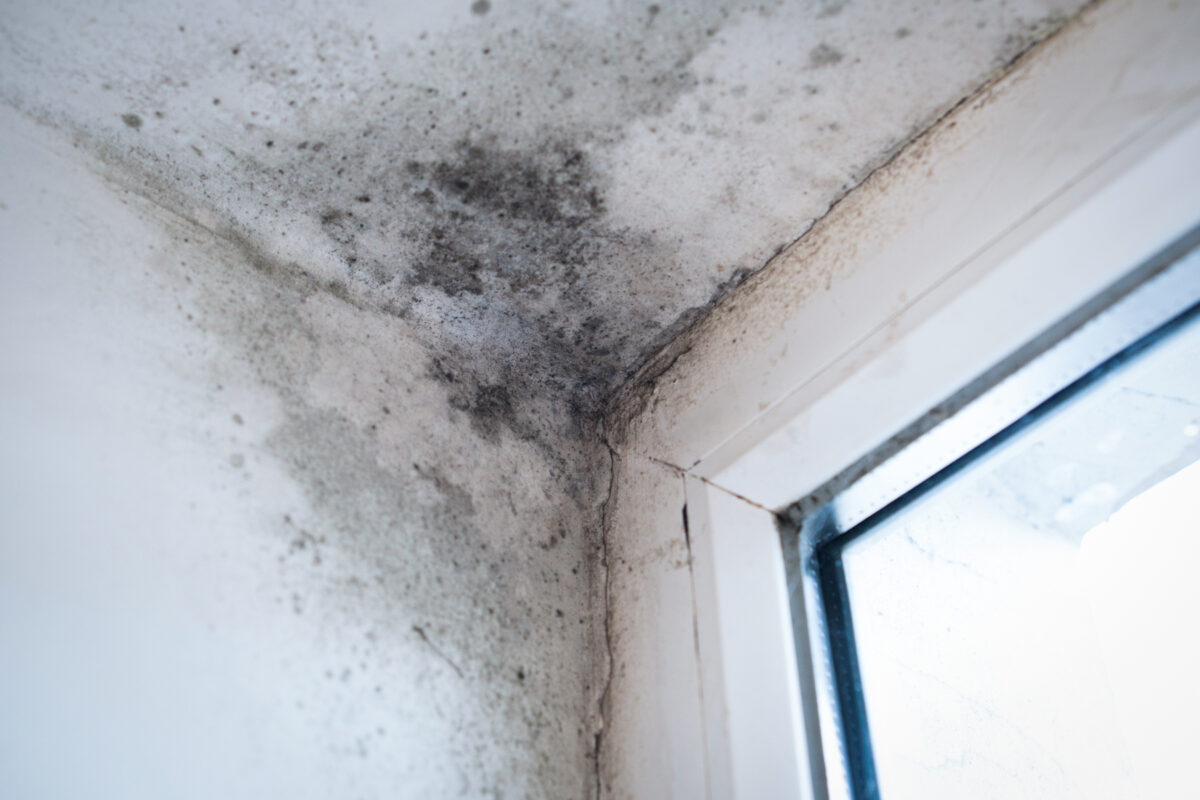
But across the UK, this quiet shift in behaviour is having an unintended side effect — homes are becoming damper. And that damp is costing far more than many people realise.
Saving on Heating is Creating a New Problem – Damp
With energy bills still painfully high, many homeowners are avoiding consistent background heating and opting to use heating in short bursts, turning heating on later in the day, switching it off overnight and generally keeping heating lower. On paper, this saves money. In reality, it leads to colder walls, higher humidity, and growing condensation.
Once moisture starts building up indoors, it becomes much harder — and more expensive — to restore a healthy environment.
Damp Doesn’t Start with Leaks
Most domestic damp isn’t caused by broken gutters or rising groundwater. It starts with everyday living; cooking, showering, drying clothes, even just breathing! All of this releases moisture into the air.
Normally, consistent heating helps keep walls warm and moisture levels balanced. But when heating is reduced to save on gas, humid air hits cold surfaces and condenses. That moisture then settles into walls, ceilings, window frames, behind furniture… and slowly, but surely, damp takes hold.
The True Cost of a Damp Home
Damp doesn’t just look unpleasant. It affects almost every aspect of home life.
- Comfort – Damp air feels colder. Even when the thermostat says 20°C, a humid home feels uncomfortable.
- Energy Bills – Moist walls absorb heat, meaning your heating has to work harder to achieve the same warmth.
- Home – Paint peels, wallpaper lifts, mould appears, and musty smells linger.
- Health – High humidity and mould spores can aggravate asthma, allergies, and respiratory conditions.
The irony is that trying to save money on heating often leads to higher long-term costs — in energy, maintenance, and wellbeing.
Air Conditioning Can Help Resolve Damp
Modern air conditioning systems don’t just cool your home in summer.
- Remove excess moisture from the air.
- Maintain steady background warmth in winter.
- Reduce condensation.
- Help dry out building fabric.
- Improve indoor air quality.
In effect, they tackle the root cause of domestic damp: high indoor humidity.
Many homeowners are surprised to discover the benefits of removing moisture from their homes.
- Rooms feel warmer at lower temperatures.
- Heating becomes more efficient.
- Condensation disappears.
- Homes smell fresher.
- Mould becomes far less likely.
Air Conditioning – A More Efficient Way to Stay Warm
Air conditioning uses heat-pump technology, meaning it typically delivers three to four units of heat for every unit of electricity used.
That makes it significantly more efficient than electric heaters — and far less exposed to volatile gas prices.
It also gives you room-by-room control, allowing you to heat only the spaces you actually use.
Air Conditioning isn’t a Luxury — It’s Living Well
For many UK households, air conditioning is no longer just about surviving heatwaves. It’s becoming a practical year-round solution.
- Keep homes dry.
- Reduce reliance on expensive gas.
- Improve comfort year-round.
- Protect properties from damp-related damage.
As gas prices remain unpredictable and winters stay wet, more homeowners are realising that managing humidity is just as important as managing temperature.
Rethink Home Comfort with Air Conditioning
Damp is the hidden cost of extortionate gas prices.
By avoiding heating, homes become colder, wetter, and harder to live in.
Air conditioning offers a modern alternative — one system that heats, cools, and dehumidifies, helping homes stay comfortable and healthy whatever the weather brings.
If you’re considering investing in air conditioning for your home, we’d be thrilled to help you specify the perfect system, install your air conditioning and keep your air conditioning properly maintained for years to come. Call or email and we’ll arrange for one of our fully qualified air conditioning engineers to visit your home and talk you through all of the options.